Updated 23 June 2025
“Follow the little paths and the sea will still surprise you.”
— Spanish coastal proverb
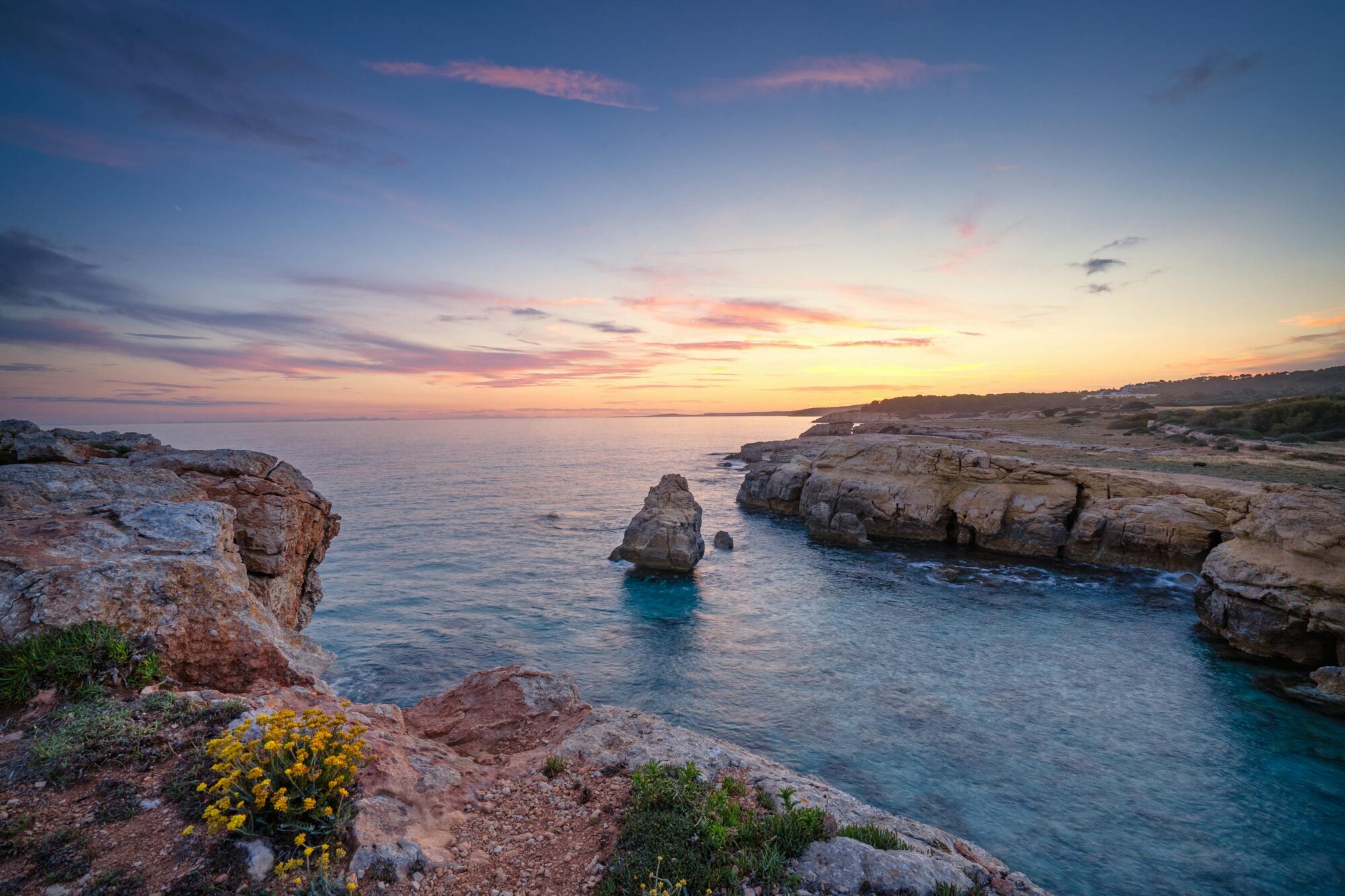
Spain’s 5 000-kilometre coastline is often shorthand for jam-packed chiringuitos and neatly lined parasols. Yet just beyond those blue-flag boulevards lies a necklace of remote inlets, tide-sculpted coves and half-moon bays where the loudest soundtrack is the cicadas in the pines. This 2025 guide reveals 18 of the quietest beaches from Galicia to the Canary Islands, explains new visitor-cap rules, and shows you exactly how to reach—and respect—each spot.
1. Atlantic North: Galicia, Asturias & Cantabria
1.1 Playa de Figueiras, Cíes Islands, Galicia
The Cíes form Spain’s most strictly protected beach park, and since 2024 a digital permit limits arrivals to 1 800 visitors per day between 15 May – 15 September, dropping to 450 in shoulder season. You must book the ferry and obtain a QR code online before departing Vigo or Baiona. :contentReference[oaicite:0]{index=0}
Why go: powdered white sand under sentinel pines, water clarity that feels Caribbean.
Getting there: 45-min ferry; stays are day-trips only unless you bag one of the 100 pre-booked eco-camp pitches.
1.2 Playa del Silencio, Asturias
A horseshoe amphitheatre of slate cliffs where turquoise water meets golden shingle. Local residents introduced a €2 cliff-top parking fee in 2023 to curb traffic; spots fill by 10 am in July–August. :contentReference[oaicite:1]{index=1}
Pro tip: walk the extra 700 m east to tiny Playa de Gavieiru—even quieter at low tide.
1.3 Playa de Gueirúa, Asturias
More a geological sculpture park than a sun-bathing spot, with basalt spikes erupting through the surf. Reaching it requires a 45-minute out-and-back trail and steep steps—bring sturdy shoes. :contentReference[oaicite:2]{index=2}
1.4 Playa de Langre, Cantabria
Surfable swells, grassy headlands for wild picnics, and barely a building in sight. Access notes: 162 stone steps descend the cliff—pack light!


2. Mediterranean East: Catalonia, Valencia & the Balearics
2.1 Cala Futadera, Costa Brava, Catalonia
Nicknamed “the cove of a hundred boats” for the yachts that anchor offshore, yet only a sprinkle of people brave the 200-step descent. No facilities—carry in, carry out. :contentReference[oaicite:3]{index=3}
Sun window: cliffs steal the light after 4 pm, so arrive early.
2.2 Cala s’Alguer, Costa Brava
A postcard row of 16th-century fishermen’s huts frames this pebbly cove near Palamós. Park at Playa de la Fosca and follow the coastal footpath 15 minutes.
2.3 Cala Macarella & Macarelleta, Menorca, Balearic Islands
The twin poster-coves of Menorca now operate a strict summer car ban (1 June – 30 September). Drive to Cala Galdana, then hop Bus Menorca route 68 or shoulder your pack for a scenic 45-minute Camí de Cavalls trek. :contentReference[oaicite:4]{index=4}
Stay late: when daytime crowds leave with the last bus at 7 pm, the cove reverts to calm, cotton-candy sunsets.
2.4 Cala Presili, Menorca
On the island’s undeveloped north, this virgin strand lies inside S’Albufera des Grau Biosphere Reserve. Follow the wooden walkway from the Favàritx lighthouse car park (also summer-restricted, bookable online).
2.5 Cala d’es Portixol, Ibiza
Ibiza has few secrets left, but this boulder beach is still reached via a rugged 3 km hike (ignore the dusty spur road unless you have 4×4 clearance). Nudist-friendly; bring reef shoes.
3. Southern Shores: Andalucía & Murcia
3.1 Playa de los Muertos, Almería
A Martian-coloured cliffscape in Cabo de Gata-Níjar Natural Park with seductive aquamarine waters. Paid parking (€4) sits 800 m above the beach, followed by a steep gravel path—think lightweight cool box, not picnic hamper. :contentReference[oaicite:5]{index=5}
Why the name? Folklore says shipwrecked sailors washed ashore here.
3.2 Playa de la Rijana, Granada
Tucked between tunnels on the N-340, this cove offers some of mainland Spain’s best beginner snorkelling. Kayak rentals operate July-September; out-of-season you’ll share with local spearfishers and a few van-lifers.
3.3 Playa Ancha, Casares, Costa del Sol
Yes, the famously built-up Costa del Sol hides tranquillity. Playa Ancha remains a locals’ refuge with soft sand and gentle waves; high-rise backs give way to low dunes and wooden walkways. :contentReference[oaicite:6]{index=6}
3.4 Playa del Puro, Nerja
Set beneath marbled cliffs inside the Sierras de Tejeda, reachable only by paddleboard or a 30-minute goat path starting at Playa de Alberquillas. Zero services; wild-camping is banned but stargazing till 1 am is magical.
4. Canary Island Castaways
4.1 Playa de Benijo, Tenerife
On the rugged Anaga coast, Benijo’s volcanic sands turn mirror-silver at low tide. Highlight: epic sunsets behind the Roques de Anaga sea stacks. Listed by Condé Nast as one of Spain’s top secret beaches. :contentReference[oaicite:7]{index=7}
Essentials: 300 m stair run; last café closes 7 pm.
4.2 Playa de Güi Güi, Gran Canaria
Accessible only by a two-hour canyon hike or water-taxi from Puerto de Mogán. Arrive at spring low tide and the usually separate Playa Pequeña and Playa Grande join into one kilometre of solitude.
4.3 Veneguera Beach, Gran Canaria
A broad sweep of dark sand framed by prickly-pear terraces. The rough dirt track keeps rental cars away, so locals picnic here in near privacy. :contentReference[oaicite:8]{index=8}
4.4 Aguadulce Beach, La Palma
Not the built-up Almería namesake: this hidden La Palma strand offers honey-coloured pumice sand and natural shade from cliff overhangs. Short 15-minute descent; grab bananas from roadside stalls on the way back. :contentReference[oaicite:9]{index=9}
5. Quick-Reference Access & Best-Month Table
| Beach | Region | Access Mode | Facilities | Best Months |
|---|---|---|---|---|
| Figueiras (Cíes) | Galicia | Ferry + QR permit | Toilets, no cafés | Mid-May & Sept |
| Del Silencio | Asturias | Car/paid parking + 10-min walk | None | June & Oct (wildflowers) |
| Futadera | Costa Brava | Cliff stairs (200) | None | Sept for warm sea |
| Macarelleta | Menorca | Bus/hike 45 min | Seasonal lifeguard | Late May & mid-Sept |
| Los Muertos | Almería | €4 car park + 20-min path | None | April & early Nov |
| Benijo | Tenerife | Steps from road | 2 cafés | Year-round; sunset |
| Güi Güi | Gran Canaria | 2 hr hike / taxi boat | None | Oct–Apr (cooler) |
(All beaches are un-lifeguarded unless stated—swim responsibly.)
6. Sustainability & Conservation Tips
Spain’s coastal councils are fighting overtourism with caps, new shuttle-only zones and “Leave No Trace” fines. Help keep these hideaways wild:
- Book regulated ferries early. Cíes permits sell out three weeks ahead in August.
- Travel light. Many paths are steep; carrying less cuts erosion and carbon.
- Refuse single-use. Bring a collapsible cup and reef-safe SPF.
- Respect seasonal bans. Macarella’s car-free window and Anaga’s trail limits protect breeding shearwaters.
- Pack-in, pack-out. No bins on Futadera, Güi Güi or Silencio—take all waste home, including organic peels.
7. Gear & Safety Checklist
- Lightweight dry-bag to keep electronics sand-free.
- Grippy water shoes for rocky entries (Gueirúa, Portixol).
- Sun umbrella or beach tent—many coves lack natural shade.
- Power bank: mobile coverage is patchy beyond main resorts.
- Download AEMET weather app; sudden Atlantic swells common in Asturias.
8. Frequently Asked Questions (2025 Edition)
Do I need to reserve hidden beaches in Spain?
Only if they lie within protected parks with visitor caps (e.g., Cíes Islands). Buy the ferry + permit combo online—paper tickets no longer accepted at the dock. :contentReference[oaicite:10]{index=10}
Is nudism legal?
Yes—Spain permits naturism on any beach where it is “customary,” which includes Benijo, Portixol and parts of Futadera. Respect local signs.
Are drones allowed?
Generally banned inside natural parks (Cabo de Gata, Cíes) and within 150 m of people. Apply to AESA for exemptions.
Can I overnight?
Beach sleeping is illegal in most regions; Macarelleta sees spot checks. Legal wild-camping exists only at designated sites (e.g., Cíes eco-camp).
What about jellyfish?
Watch for purple flags in July–August on Mediterranean coves. Vinegar, not freshwater, alleviates stings.
9. Packing Light: 12 Essentials for Remote Coves
- 22-litre day-pack (fits snorkel set + 2 L water)
- Compact micro-towel
- Reef-safe sunscreen (100 ml)
- Polarised wrap-sunglasses
- Reusable cutlery & container
- Rash-guard (sun & jellyfish)
- Fold-flat beach mat
- Dry-bag for phone/keys
- Trash pouch (ziplock)
- Headlamp for sunset hikes out
- Power bank (10 000 mAh)
- Lightweight trekking sandals