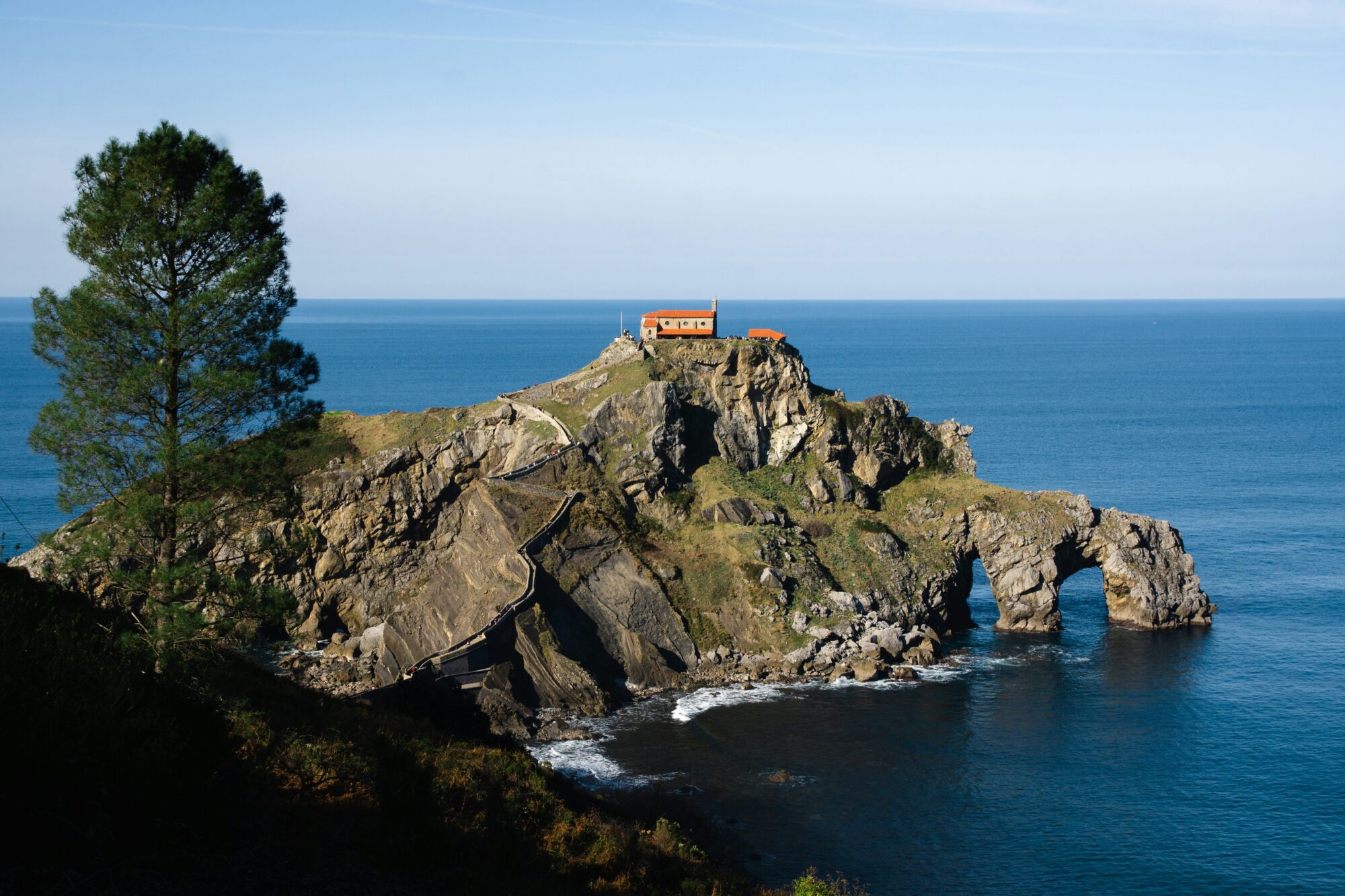
“The real miracle of the Camino is the person you become along the way.”
— Traditional Galician saying
1. Why the Camino Is Booming in 2025
Every age has rediscovered the Camino de Santiago in its own image. For medieval Europeans the Way of Saint James was a penance that promised indulgence. For the hippies of the 1970s it became a foot-powered counter-culture road trip. Today—fuelled by remote work, affordable travel, and an Instagram aesthetic that makes yellow arrows look like treasure markers—the Camino is having its most dynamic decade since records began.
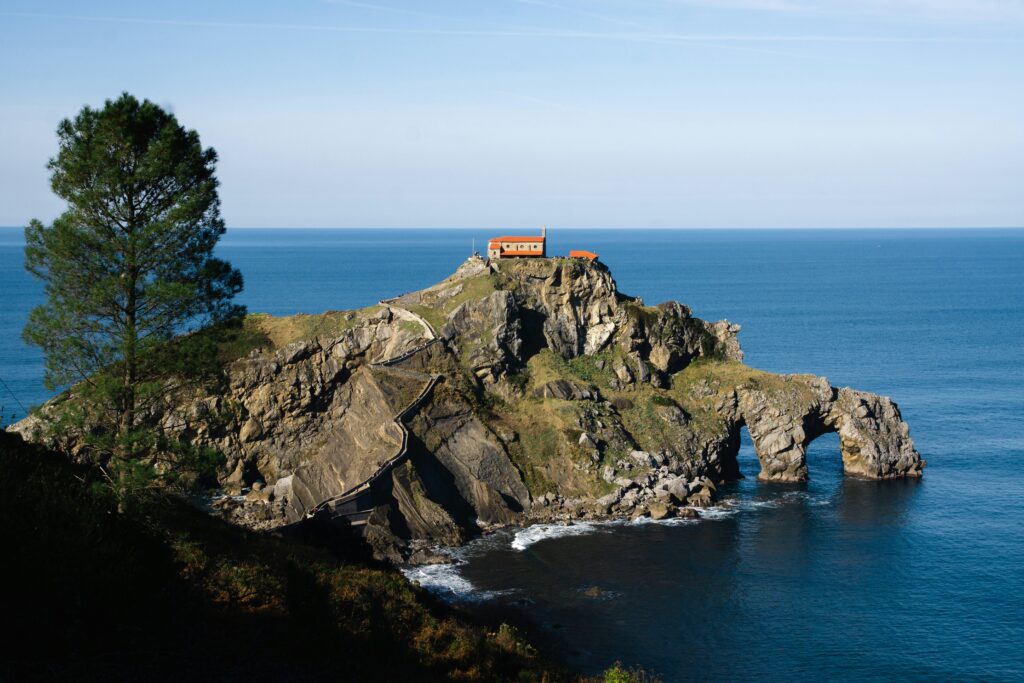
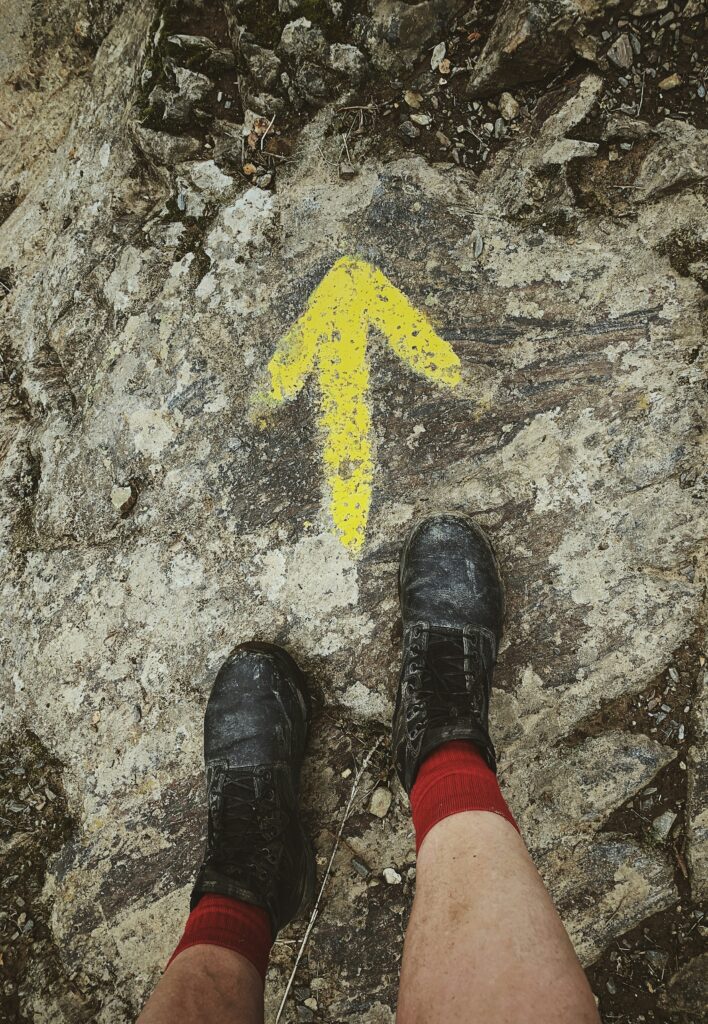

- Record numbers: Nearly 498 000 Compostelas were issued in 2024, a 12 % leap over 2023. First-quarter 2025 figures already point to another all-time high as university graduates, career-break professionals and multi-generational families hit the trail.
- Changing demographics: Twenty-somethings now account for one in five pilgrims. They are balanced by a growing cohort of walkers over 60 drawn by the trail’s simplicity, community spirit and the proven mental-health boost of long-distance walking.
- Tech-savvy trekking: Spain’s cathedral authorities launched an official Digital Pilgrim Credential in late 2024. The smartphone app lets you collect QR-code stamps, receive route alerts in real time and, at journey’s end, generate a paper-free Compostela certificate.
- Hyper-connected yet unplugged: Paradoxically, near-ubiquitous 4G along the main routes has not diminished the Camino’s contemplative ambience. Walkers simply choose when to go offline: sunrise departures, shared dinners in rustic albergues, or the hush of eucalyptus forests in Galicia still create punctuation marks of silence that anchor the modern pilgrim experience.
2. Choosing the Right Route in 2025
Spain is threaded with more than a dozen recognised Camino routes, each stamped with its own geography, climate and cultural quirks. Below is a 2025 snapshot of the six most popular Ways and why you might pick—or avoid—each one.
| Route | Distance to Santiago | 2025 Share of Pilgrims | Ideal For | 2025 Updates |
|---|---|---|---|---|
| Camino Francés | 780 km (St-Jean-Pied-de-Port) | 60 % | First-timers, social walkers | New solar-powered fountains on the Meseta; more shade pergolas between Carrión and Calzadilla. |
| Camino Portugués – Central | 610 km (Lisbon) / 260 km (Porto) | 18 % | Foodies, mild winters | Boardwalk over the Lima Estuary improves wet-season safety; cycle-lane links for bike pilgrims. |
| Camino del Norte | 825 km (Irún) | 8 % | Coastal scenery, quieter vibe | Upgraded Albergues in Gijón and Santander; expanded luggage-transfer network. |
| Camino Primitivo | 320 km (Oviedo) | 5 % | Experienced hikers, mountain lovers | Way-marking brightened after Lugo; three new eco-albergues using rain-water harvesting. |
| Camino Inglés | 118 km (Ferrol) / 74 km (A Coruña) | 4 % | Short leave, sailors arriving by ferry or cruise | Passport control now at Ferrol marina for app-based credential stamp. |
| Via de la Plata | 1 000 km (Seville) | 3 % | Solitude, Roman history | Spring water-tank points every 15 km from Mérida northward; shade shelters in Extremadura. |
Tip ➜ If you only have two weeks and want a “complete but compact” Camino, consider starting in Ponferrada on the Francés, in Tui on the Portugués, or in Oviedo on the Primitivo. Each lets you experience a logical beginning, middle and climactic arrival within 14–16 days.
3. Budget Breakdown & Accommodation in 2025
The Camino remains one of Europe’s most wallet-friendly adventures, though prices have crept up with energy costs. Below is a realistic daily budget for a solo walker in high season (15 June–15 September):
| Expense | Low | Mid | Notes 2025 |
|---|---|---|---|
| Bed in municipal albergue | €10 | N/A | Flat fee across Galicia since Jan 2025. |
| Bed in private albergue | €15 | €18 | More privacy; often includes fitted sheets. |
| Budget hotel / private room | €45 | €60 | Advance booking essential July–Aug. |
| Breakfast | €3 | €5 | Coffee + tostada or pastry. |
| Menu del peregrino dinner | €12 | €15 | Three courses + wine/water. |
| Snacks / café stops | €5 | €8 | Fresh orange juice is the new Camino craze. |
| Laundry (self-service) | €4 | N/A | Machines in most towns ≥2 000 people. |
| Typical Total / day | €39 | €61 | Add 5–10 % cushion for big-city days. |
Money-Saving Hacks
- Cook Communal Dinners: Split ingredients in the supermarket, then trade recipes with fellow walkers.
- Early-Bird Lunches: Many cafés offer bocadillo + drink deals for €3.50 if you arrive before 11 am.
- Pilgrim Discount Cards: The digital credential now flags partner pharmacies, gear shops and even physio clinics with 5–15 % savings.
- Carry Reusable Utensils: An ultra-light cup/spork set cuts single-use plastic and avoids surcharges at certain take-away counters.
4. Sustainable Pilgrimage: Walking Light in 2025
Pack Once, Leave No Trace
A lighter backpack is not just a kindness to your knees—it is an ecological statement. Courier vans still operate, but 2024 research by the University of Burgos showed each kilogram of gear freighted forward generates 2.1 kg of CO₂ across a 100-km stretch. Aim for a base weight <7 kg (excluding food/water), and you slash your footprint while gaining agility.
Eco-Checklist
| ✔ | Action |
|---|---|
| Refill at blue-topped solar-filtered fountains (every 8–15 km on the Francés). | |
| Biodegradable toiletries (Castile soap bar* doubles as shampoo + laundry soap). | |
| Reusable bees-wax sandwich wraps. | |
| Donate unused gas cartridges at gear swaps in Pamplona, León and Sarria. | |
| Offset long-haul flights via Renfe’s integrated carbon schemes when booking onward rail tickets. |
Green Albergues to Bookmark
| Location | Albergue | Green Credentials |
|---|---|---|
| Zubiri (Navarra) | La Casa Mágica | 100 % solar, grey-water garden irrigation. |
| Boente (Galicia) | O Coto | Composting toilets; serves local-farm meals. |
| Gontán (Asturias) | Avelina Eco-hostel | Recycled-wood bunks, free bike use for town errands. |
Tip ➜ Many eco-albergues publish their recycling rates on the noticeboard. Snap a photo for your own sustainability diary.
5. Training, Gear & Health
Preparing Your Body
- Walk, Don’t Run: Build a base of 20–25 km day hikes on consecutive weekends two months out. Focus on time-on-feet rather than pace.
- Strength for Stability: Two 30-minute sessions per week of squats, lunges and calf raises reduce knee soreness by up to 30 % according to Spain’s National Sports Council.
- Simulate Load: Train with your full pack weight at least four times pre-Camino to identify hot spots and tweak strap settings.
Gear Essentials for 2025
| Item | Why It Matters in 2025 |
|---|---|
| Trail runners or lightweight boots | 80 % of main routes are hard-packed track or asphalt. Waterproof membranes cope with Galicia’s mists. |
| 3-litre hydration bladder | Summer springs can run low before midday. |
| Dual-port USB-C charger | Many albergues now fit USB sockets but have limited outlets. |
| Flip-flops with rugged outsole | Post-walk comfort + communal shower hygiene. |
| Silk sleeping liner | Beds now have fitted sheets, but liners add warmth in early spring/autumn. |
| Backup power bank (10 000 mAh) | Essential for the Digital Credential app and offline maps on multi-day stretches without large towns. |
Don’t over-engineer: the Camino is dotted with sports shops and Spain’s postal service will ship excess gear home for about €18 per 5 kg box.
Health & Safety Updates
- ID Registration: Since Dec 2024 every accommodation must scan your passport/ID. Keep it handy at check-in to avoid queues.
- Route Alerts: Forest-fire detours auto-push to the credential app. Enable notifications and carry an FFP2 mask during high-risk July–Aug days on the Primitivo and Norte.
- Medical Access: Pharmacists can dispense non-narcotic pain relief and basic antibiotics over the counter to credentialed pilgrims—bring your passport screen in the app if the physical booklet is stored away.
6. Sample 14-Day Itinerary (Last 300 km)
Many walkers with limited annual leave want the “full arrival buzz” without a full month away. The classic shortcut is to begin in Ponferrada, 300 km out, and average 22 km a day. Here is a practical outline:
| Day | From → To | Distance | Elevation Highlights |
|---|---|---|---|
| 1 | Ponferrada → Villafranca del Bierzo | 22 km | Vineyards of El Bierzo. |
| 2 | Villafranca → O Cebreiro | 28 km | 600 m climb, slate-roof Celtic village. |
| 3 | O Cebreiro → Triacastela | 21 km | Sunrise ridgeline views. |
| 4 | Triacastela → Sarria | 18 km | Chestnut forests, Benedictine Samos detour. |
| 5 | Sarria → Portomarín | 23 km | 100 km marker photo op. |
| 6 | Portomarín → Palas de Rei | 25 km | Rolling Galician farmland. |
| 7 | Palas de Rei → Melide | 15 km | Octopus (pulpo) lunch capital. |
| 8 | Melide → Arzúa | 14 km | Honey co-op tastings. |
| 9 | Arzúa → O Pedrouzo | 20 km | Eucalyptus shade. |
| 10 | O Pedrouzo → Santiago | 20 km | Monte do Gozo “first glimpse” monument. |
| 11 | Rest day in Santiago | 0 km | Pilgrim Mass, rooftop cathedral tour. |
| 12 | Santiago → Negreira (start Finisterre way) | 21 km | Granite hórreos (granaries). |
| 13 | Negreira → Olveiroa | 33 km | River Tambre valley. |
| 14 | Olveiroa → Cape Finisterre | 32 km | Lighthouse sunset; burn a symbolic scrap of burden. |
Feel free to break longer days with short taxi hops—your credential remains valid as long as you walk the required last 100 km into Santiago.
7. After You Arrive: Beyond the Compostela
Pilgrim’s Mass & The Botafumeiro
The noon Pilgrim’s Mass still acts as the unofficial finish line. Arrive 45 minutes early in high season to secure a seat. The giant incense thurible—the Botafumeiro—swings on major feast days (25 July, 15 August and selected Sundays). If your timing doesn’t match, evening masses often feature smaller choirs and calmer vibes.
Exploring Santiago de Compostela
| Experience | Time Needed | Insider Tip |
|---|---|---|
| Cathedral rooftop & bell towers | 90 min | Book online; sunset slots fill first. |
| Mercado de Abastos food market | 1 hr | Buy raw seafood at stall 20 and have it cooked at the adjoining bar for €8. |
| Parque da Alameda viewpoint | 30 min | Classic skyline photo of the Obradoiro façade. |
| Museum of Pilgrimage | 60 min | Your credential grants 20 % entry discount. |
| Tapas crawl in Rúa do Franco | Evening | Look for pimientos de Padrón in season (June-Sept). |
Keep Walking? Muxía or Finisterre
Roughly half of modern pilgrims continue west. The two-day extension to Muxía offers wave-lashed granite cliffs, while the three-day route to Cape Finisterre ends at the “end of the Earth.” Both towns issue their own certificates—the Muxiana or the Fisterrana—if you wish to keep collecting parchment proof of your odyssey.
8. Frequently Asked Questions (2025 Edition)
Do I still need two stamps per walking day?
Yes—at least from Sarria (or whichever point leaves you with 100 km to go). The digital credential records them automatically when you scan two different QR codes roughly five hours apart.
What’s the best month to walk?
May and September strike a sweet spot between mild weather and moderate crowds. April can be rainy but lush; July–August is vibrant yet busy—pre-book beds or start walking by 6 am to beat the heat.
Can I bring my dog?
Yes, provided you plan ahead. An increasing number of albergues—including the newly refurbished Canals hostel on the Levante—offer pet beds and a stamp for the “dog-credential.” Keep vaccination records handy, and note that dogs are not allowed in the cathedral interior (guide dogs excepted).
Do I need cash?
Spain is mostly card-friendly, but keep €30–€40 in coins/notes for unmanned snack boxes, tiny village bars and laundry machines. ATMs cluster every 20–30 km on main routes.
How do I avoid blisters?
Break in footwear, air out feet at every coffee stop, and apply Compeed the moment you feel friction. For many, toe-socks plus a thin merino liner reduce sweat and rub.
9. Quick-Reference Packing List
Documents & Money
- Passport + extra copy
- Physical credential (as backup)
- Debit/credit card + €50 emergency cash
Clothing (total 2 sets)
- 2 quick-dry tees
- 2 pairs hiking socks + liners
- 1 pair shorts or hiking leggings
- 1 long-sleeve merino top (for evenings)
- Insulation layer (light puffy or fleece)
- Rain jacket & pack cover
- Wide-brim hat or cap
- Buff / neck gaiter
Footwear
- Trail runners / lightweight boots
- Sandals or flip-flops for evenings
Gear
- 35-40 L backpack
- 3 L hydration bladder + 0.5 L bottle
- Headlamp (early starts)
- Trekking poles (collapsible)
- Sleep liner (silk/cotton)
- Quick-dry towel
- Universal USB-C charger + power bank
Toiletries & First Aid
- Biodegradable soap bar
- Toothbrush/paste
- Sunscreen SPF 50+
- Blister pads & tape
- Anti-inflammatory gel
- Rehydration salts
Rule of thumb: Everything should serve at least two functions or it stays at home.
10. Final Thoughts
Whether you walk 70 km from A Coruña, bike 1 000 km up the dusty Via de la Plata, or roll a wheelchair through the leafy Senda do Louro near Porriño, the Camino de Santiago in 2025 is less about distance and more about transformation. You will share dorms with strangers who become friends, trade languages over communal pasta, curse a Galician drizzle that ten kilometres later turns a eucalyptus grove into a steaming green cathedral, and discover that the yellow arrows point as much inward as westward.
Pack light, walk slow, stay curious—and above all trust that the Way, as the saying goes, will always provide. ¡Buen Camino!