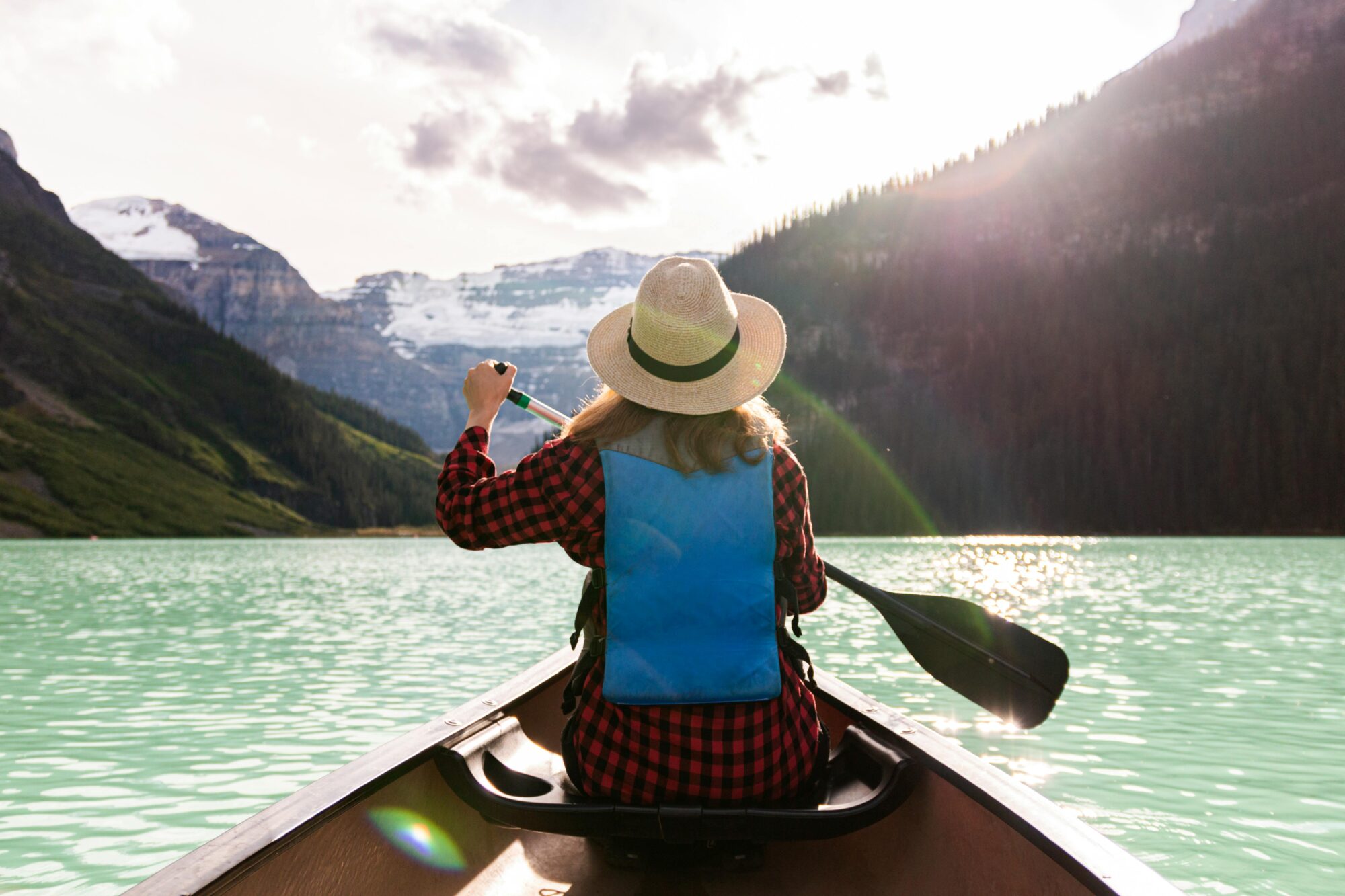
Introduction: Why Travel Photography Matters More Than Ever
Travel photography has always been about preserving fleeting moments, but in 2025 the stakes—and the possibilities—are higher than ever. Visas have grown more digital, flights more efficient, and the world more visually connected. Your images do more than document; they inform, inspire, and, increasingly, monetize your adventures. Yet with every traveler carrying a 200‑megapixel smartphone and instant AI editing, the bar for a wow shot has risen. This guide distills the latest tech advances and timeless visual theory into clear, actionable steps so you can walk away with gallery-grade images—whether you’re backpacking Southeast Asia or road‑tripping across Patagonia.
Quick disclaimer: Always verify entry requirements, drone permits, model releases, and local privacy laws before you pack. Regulations update fast (see section 5), and ignorance can cost you a confiscated drone or a hefty fine.

1. Gear Landscape in 2025
1.1 Mirrorless & Lens Innovations
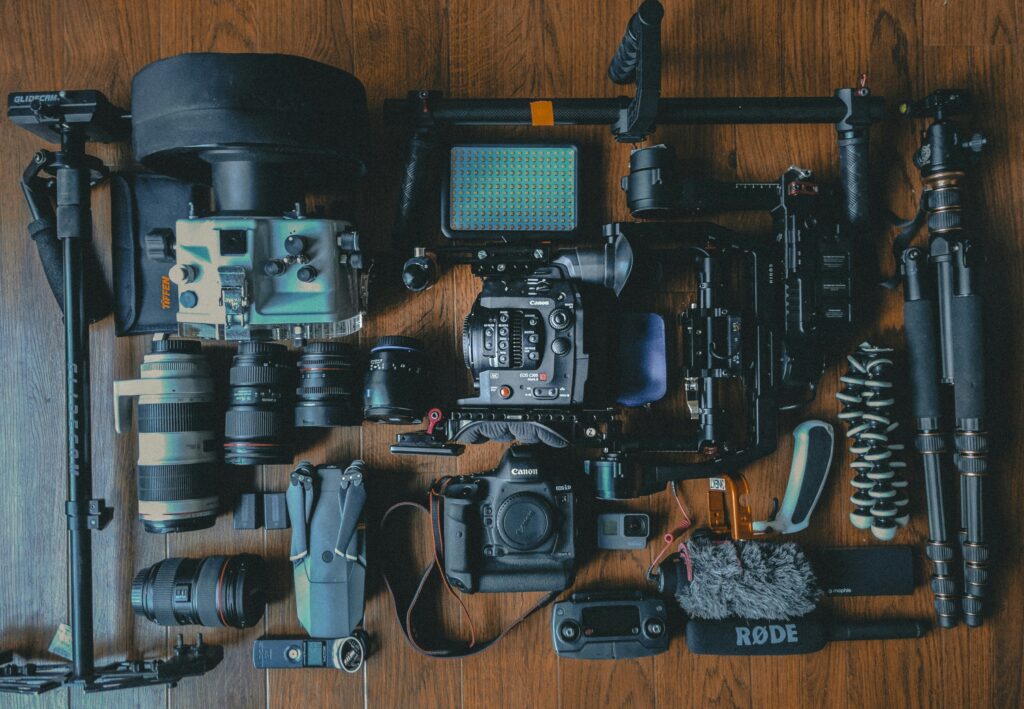
Mirrorless cameras remain the gold standard for ultimate image quality and flexibility. The 2025 flagships—Sony α1 II, Canon R5 X and Nikon Z 9 X—deliver 50 fps RAW bursts, in‑body stabilization up to eight stops, and in‑camera HDR merging that outputs 16‑bit HEIF files ready for social or print. Pair these bodies with travel‑friendly zooms like the 24‑105 mm f/4 or a compact prime such as the 35 mm f/1.8 for low‑light cityscapes.
Pro Tip: Pack a 1.4× tele‑converter instead of a bulky telephoto lens; modern glass and firmware‑corrected optics maintain sharpness while halving kit weight.
1.2 AI‑Powered Smartphones
If you left your “big” camera at home, rest easy. Today’s top phones—Samsung Galaxy S25 Ultra, Google Pixel 10 Pro and iPhone 17 Pro Max—use on‑device neural engines to perform multi‑frame fusion, real‑time depth segmentation, and generative fill for missing edges. Night mode now shoots handheld 10‑second exposures with zero blur, and semantic segmentation masks skies or skin for one‑tap edits. Shoot in your phone’s ProRAW/UltraRAW mode to keep 16‑bit files for editing later.
Pack this: A MagSafe or magnetic clamp tripod, no bigger than a soda can, for rock‑steady long exposures of waterfalls, fireworks, or traffic trails.
2. Master Your Settings – Exposure Triangle 2.0
Even with AI helping under the hood, manual control unlocks creativity:
- Aperture still shapes depth of field, but remember smaller sensors need wider f‑stops (~f/1.6) to isolate subjects.
- Shutter speed defines motion; try 1/15 s to blur bustling souks or 1/8000 s to freeze cliff divers.
- ISO now extends to 204 800 on flagship mirrorless bodies, but keep it under 6 400 for clean prints.
New in 2025: Most cameras feature Adaptive ISO, which averages multiple frames at varying sensitivities to minimize noise—ideal for handheld night shots inside dim temples.
3. Composition: Beyond the Rule of Thirds
Classic rules still guide an eye‑pleasing frame, yet great travel images often bend or break them deliberately:
- Symmetry & Reflection: Use lakes, marble floors, or shiny cars to double a scene.
- Leading Negative Space: An expanse of desert or ocean amplifies the subject’s solitude.
- Layering Foreground Interest: Include foliage, arches, or street vendors to add depth.
3.1 Mobile Grids & Overlays
Modern camera apps display Fibonacci spirals, dynamic triangles, and horizon level indicators. Choose an overlay that complements your subject instead of default thirds.
4. Light in 2025: Capturing Mood Anytime
Golden hour remains king, but AI noise reduction widens the window. Use pre‑dawn blue hour for moody cityscapes with glowing streetlamps, or backlit midday for high‑key minimalism.
For portraits, leverage smartphone or camera Real‑Time Relighting: toggle virtual reflectors in‑app to fill harsh shadows. On mirrorless, enable Custom Picture Profiles tuned for skin tones or landscapes.
4.1 Portable Light
A credit‑card LED panel powered by USB‑C weighs 70 g and slides into any pocket—perfect for food shots in dim cafés or filling shadows on a model’s face at sunset.
5. Drone Photography: New Horizons & Regulations
Drones add cinematic altitude, but 2025’s stricter rules mean prep is vital. In the EU, craft over 250 g require operator registration and Remote ID broadcasting. Certain UNESCO sites impose drone‑free zones extending 500 m. Always check local Notice to Air Missions (NOTAMs) and maintain line of sight.
Quick‑Start Checklist:
- Verify C0/C1 rating on your drone.
- Load country‑specific geofencing maps before take‑off.
- Carry printed proof of liability insurance.
- Limit altitude to 120 m (400 ft) above ground, unless local law differs.
- Respect privacy—ask permission before over‑flying private property.
5.1 Creative Drone Shots
- Top‑Down Flats: Point camera 90 ° down to abstract patterns—rice terraces, traffic circles, coral reefs.
- Reveal Moves: Fly forward while tilting gimbal up to unveil skylines behind subjects.
- Hyperlapse: Program waypoint flights to shoot time‑lapses over long distances.
6. Storytelling & Emotion
Images resonate when they reveal a narrative arc.
- Establishing Wide: Set context—city skyline at dusk.
- Medium Interaction: Locals cooking paella in a bustling market.
- Detail Close‑Up: Sizzling oil and vibrant saffron threads.
- Closing Portrait: Chef’s proud smile.
Arrange these in your gallery to guide viewers, or combine into carousel posts.
7. Ethical & Responsible Shooting
Travel responsibly: obtain consent before photographing people, revise captions to honor cultural context, and avoid geo‑tagging fragile ecosystems to prevent overtourism. Many destinations now publish Leave‑No‑Trace Photo Codes—adhere to them.
7.1 Sustainable Gear Choices
Choose carbon‑neutral shipping for online orders, recycle camera batteries, and opt for solar power banks when backpacking off‑grid.
8. Post‑Processing & AI Workflows
Editing no longer demands desktop time. Smartphones now run on‑device Lightroom AI that masks subjects, skies, and backgrounds via machine learning.
Workflow Blueprint:
- Cull using star ratings synced to cloud while commuting.
- Base Edits: White balance, exposure, lens corrections.
- AI Masking: Separate subject from background; adjust individually.
- Generative Clean‑Up: Remove trash cans, stray tourists, sensor dust.
- Export: HEIF for social, 16‑bit TIFF for prints.
- Backup: Dual cloud + SSD.
Desktop Power Users: Apps such as Capture One 23 and ON1 PhotoRAW 2025 include style‑transfer LUTs mimicking Fuji film stocks or cinematic color grades.
9. Building Your 2025 Portfolio & Audience
9.1 Social Media Trends
- Vertical Video Stills: Post a 12‑second behind‑the‑shot clip before sharing the still frame.
- Alt Text & Accessibility: Add descriptive alt text for each image; algorithms rank inclusive posts higher.
- Geo‑Smart Hashtags: Combine broad (#travelphotography) with niche (#SvalbardSummerLights) to target engaged followers.
9.2 Monetization Paths
- Licensing Marketplaces: Wirestock auto‑distributes to Adobe Stock, Getty & Alamy.
- Print‑on‑Demand: Offer metal or acrylic prints via Gelato or Printful integration.
- Workshops & Mentorship: Host live virtual photo walks or one‑hour AI editing tutorials.
10. Quick Gear Checklist 2025
| Category | Recommended Item | Notes |
|---|---|---|
| Camera Body | Sony α1 II / Canon R5 X | 50 fps burst, 8K video |
| Smartphone | Samsung Galaxy S25 Ultra | 200 MP sensor, AI fusion |
| Drone | DJI Air 4 S | C1 class, 48 MP RAW |
| Lenses | 24‑105 mm f/4, 35 mm f/1.8 | Versatile, lightweight |
| Tripod | Carbon‑fiber travel tripod | Under 1 kg |
| Filters | Variable ND 2‑400 | For video & long exposure |
| Storage | 2 TB CFexpress + 4 TB SSD | Redundant backups |
| Power | 20 000 mAh PD power bank | Drone & phone charging |
| Cleaning | Sensor swabs, air blower | Keep dust at bay |
| Accessories | LED credit‑card light, remote shutter | Creative control |
Conclusion
Great travel photography in 2025 merges solid technique with cutting‑edge technology and ethical storytelling. By mastering your gear, embracing AI‑enhanced cameras, respecting local regulations, and engaging communities online, you transform fleeting trips into powerful visual narratives. Pack smart, shoot consciously, edit with intention—and share images that motivate others to explore the world sustainably and respectfully.